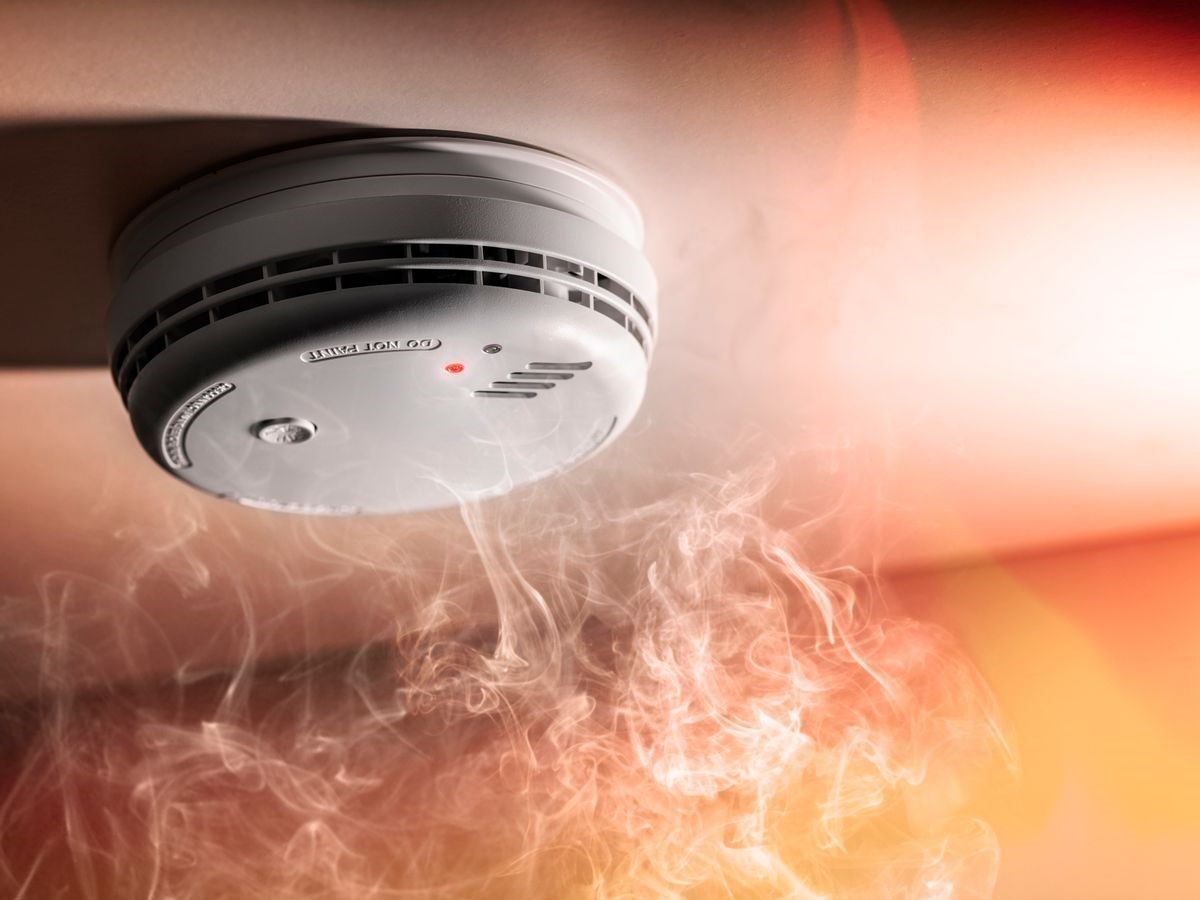
Smoke and carbon monoxide detectors are the one category of home security device where "boring and reliable" matters more than features. This guide explains what smart detectors actually add over standard ones, where to place them, and how to avoid the most dangerous mistake people make with this equipment: not maintaining it.
How smart smoke and CO2 detectors work
Smart detectors use the same underlying sensor technology as standard alarms — photoelectric or ionization sensors for smoke, electrochemical sensors for carbon monoxide — but add a wifi or hub connection that pushes an alert to your phone the moment it triggers, even if you're not home. Many models also support:
- App-based hush — silencing a false alarm (burnt toast) from your phone instead of fanning it with a towel.
- Self-testing — the unit checks its own sensor and battery health automatically and flags issues in the app.
- Interconnection — when one unit detects smoke, all connected units in the house sound together, which matters a lot in larger or multi-story homes where a basement fire might not be audible from an upstairs bedroom otherwise.
Smart vs. standard detectors
| Criteria | Smart / connected | Standard |
|---|---|---|
| Upfront cost | $40-120 per unit | $10-40 per unit |
| Alerts when you're away | Yes, via app | No — local siren only |
| False alarm handling | Silence remotely from your phone | Must be near the unit |
| Self-diagnostics | Yes, usually | Rare, manual test button only |
| Works during a wifi/power outage | Yes for local siren, no for remote alerts | Yes (battery-powered units) |
Where to install each type
Smoke detectors
Install one inside every bedroom, one outside each sleeping area, and at least one on every level of the home, including the basement. Mount on the ceiling or high on a wall, at least 4 inches from any adjoining wall, since smoke rises and gathers near the ceiling first.
Carbon monoxide detectors
Install at least one on every level and near sleeping areas, at roughly knee-to-chest height — CO mixes evenly with air rather than rising, so ceiling placement isn't necessary the way it is for smoke. Add one near any fuel-burning appliance: furnace, water heater, gas stove, or attached garage.
Maintenance: the part everyone skips
A detector that isn't maintained is barely better than no detector at all. A simple, low-effort schedule:
- Monthly: press the test button (or check the app's self-test log for smart units).
- Every 6 months: vacuum the unit's vents gently to remove dust buildup, which is one of the most common causes of both false alarms and missed detections.
- Yearly: replace batteries in battery-powered units, even if they haven't alerted low-battery yet — do this on a fixed date (like when clocks change) so you don't forget.
- Every 10 years: replace the entire unit. Smoke sensors degrade with age even if the battery is fine — check the manufacture date printed on the back.
Common mistakes with smoke/CO detectors
- Removing the battery after a false alarm and forgetting to replace it. This is one of the leading factors in home fire fatalities — a disabled detector is worse than a slightly annoying one.
- Installing smoke detectors too close to the kitchen. Keep at least 10 feet from cooking appliances to reduce nuisance alarms from normal cooking smoke, while still keeping full coverage of the rest of the home.
- Assuming a smoke detector covers carbon monoxide too. Unless it's explicitly a combo unit, you need both sensor types separately.
- Ignoring the 10-year replacement rule. An old unit may still "pass" a manual test button press while its actual smoke-sensing element has degraded.
Frequently asked questions
Are smart smoke detectors better than standard ones?
Smart detectors use the same core sensing technology as standard ones, so detection reliability is comparable when both are UL-listed. The real advantage of a smart detector is the phone alert when you're away from home and the ability to silence false alarms remotely instead of climbing on a chair to wave a towel at it.
Do I need a separate carbon monoxide detector if I have a smoke detector?
Yes, unless you specifically buy a combination unit. Smoke and carbon monoxide use different sensor types, so a smoke-only detector will not warn you about a CO leak, and vice versa.
Where should carbon monoxide detectors be installed?
Install at least one on every level of your home and near sleeping areas, at roughly knee to chest height since carbon monoxide mixes evenly with air rather than rising like smoke. Placing one near any fuel-burning appliance (furnace, water heater, gas stove) is also recommended.