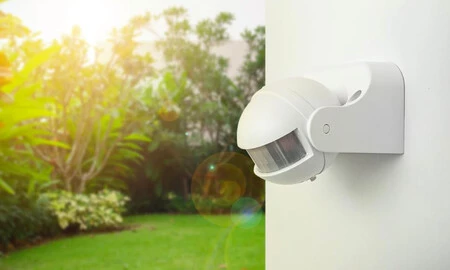
Motion-sensor lighting is, dollar for dollar, one of the most effective home security upgrades you can make — no subscription, no app, no wiring in many cases, and a well-documented deterrent effect. This guide covers what actually matters when choosing and placing them.
Why lighting works as a deterrent
Most burglars are opportunistic and prioritize speed and low visibility. A light that suddenly activates does two things at once: it removes the darkness they're relying on, and it signals — correctly or not — that someone may have just been alerted. Neither requires the light to be connected to anything; the psychological effect works even on the cheapest standalone unit.
Solar vs. wired vs. battery
| Type | Pros | Cons |
|---|---|---|
| Solar | No wiring, install anywhere in minutes | Weaker output in winter or shaded spots |
| Wired (existing circuit) | Reliable, consistent brightness year-round | Needs an electrician if no circuit is nearby |
| Battery-powered | Flexible placement, no wiring | Periodic battery swaps, especially in high-traffic areas |
If you're a renter or want something up today, solar or battery units cover most needs. If you own the home and have an existing porch light circuit, a wired motion-sensor floodlight (or a smart bulb with motion automation) is the lowest-maintenance long-term option.
Where to place motion lights
- Driveway and main walkway: the approach path is the highest-value spot — most visitors and intruders alike pass through here.
- Side and back doors: these get far less natural visibility from the street, making them the more common entry point for anyone trying to avoid being seen.
- Dark corners and blind spots: anywhere your existing porch or streetlight doesn't reach is worth covering, even if it's not a direct entry point.
- Detached structures: garages, sheds, and side gates are frequently overlooked but are common targets for opportunistic theft.
Brightness and detection range explained
Brightness is measured in lumens — 700-1,200 lumens is typically enough for a driveway or entry point, while wide-area floodlighting for a large yard benefits from 1,500+ lumens split across two fixtures rather than one overly bright single source (which can create harsh shadows that actually reduce visibility). Detection range (how far the sensor "sees" motion) commonly runs 20-70 feet depending on the model; match it to the actual distance you want covered rather than buying the longest range available, since overly sensitive units near a street or sidewalk will trigger constantly on passing traffic.
Frequently asked questions
Do motion-sensor lights actually deter break-ins?
Sudden bright light removes the cover of darkness an intruder relies on and signals that the property has some level of active security, which studies on burglar deterrence consistently rank as one of the cheapest, most effective deterrents available.
Solar or wired motion lights: which is better?
Solar lights are easier to install anywhere with no wiring, but performance drops in low-sunlight seasons or shaded spots. Wired lights are more reliable year-round but require an electrician if there's no existing outdoor circuit nearby.
How high should motion-sensor lights be mounted?
Most manufacturers recommend 8-10 feet high: low enough for the sensor to reliably detect a person-sized heat signature, but high enough to be difficult to tamper with or block by hand.