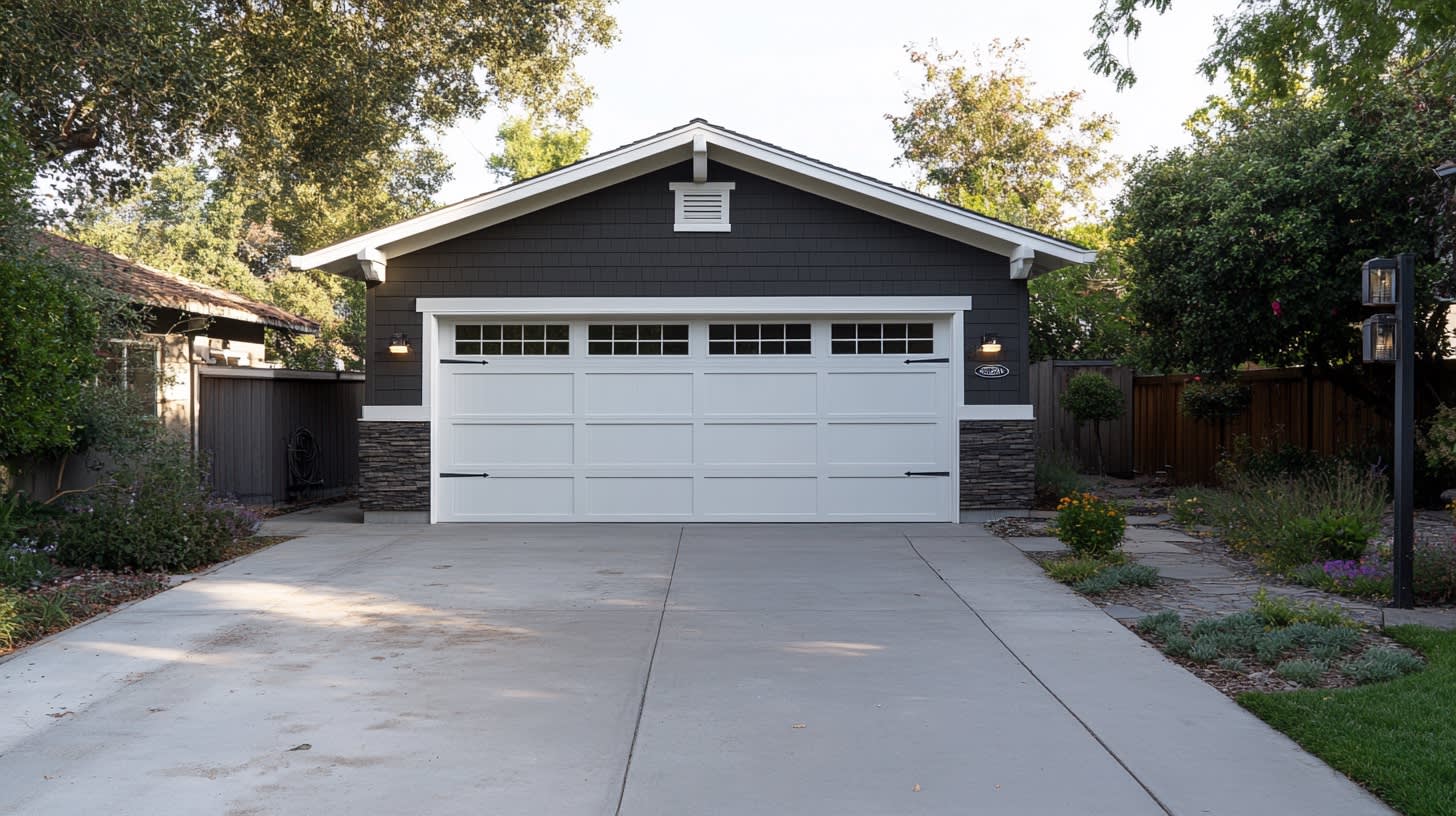
The garage gets far less security attention than the front door, despite often being easier to force open and, once inside, providing a private, unwatched route into the rest of the house through the connecting door. This guide covers the three things worth fixing: the opener, the door itself, and that connecting door.
Securing the garage door opener
The single most important thing to verify is that your opener uses rolling-code technology, which changes the transmitted code every time you use the remote, making it far harder to intercept and replay than the fixed-code systems common on older openers. If your opener is more than 15-20 years old, this is worth checking directly with the manufacturer or simply upgrading — it's a meaningful security gap on a device most people never think to check.
- Disable the outdoor keypad's factory default code immediately if your opener has one, and set a unique code.
- Don't leave a garage remote in a visible spot in your car — a car break-in then becomes a house break-in too.
- Use the vacation/lock-out mode most openers include when you'll be away for an extended period, which disables remote signals entirely until you turn it back on.
Securing the garage door itself
- Manual release cord vulnerability: the emergency release cord (used to open the door manually during a power outage) can sometimes be reached from outside using a coat hanger through the top seal gap on older doors. A release cord shield or guard closes this specific, well-documented bypass method.
- Reinforce the door track with a simple slide-lock or C-clamp style lock on the track itself for an added physical barrier beyond the opener's motor lock.
- Add a door/window contact sensor to the garage door, tied into your alarm system the same way you would a regular door, so opening it while armed triggers an alert.
The connecting door: an overlooked weak point
The door between the garage and the interior of the home is routinely treated as "just an interior door," even though the garage side of it is effectively exterior-facing once someone is inside the garage. Fit this door with the same deadbolt quality you'd use on a front or back door, and consider a smart lock here too if you want it included in your broader access system — it's one of the highest-value single upgrades in this whole guide relative to its cost.
Smart garage controllers
Add-on smart garage controllers connect to your existing opener and add app-based control, open/close status notifications, and scheduling — useful both for convenience (letting in a delivery or service person remotely) and security (an alert if the door is left open, which is one of the most common "we forgot" security gaps). Most are designed to work with your existing opener rather than requiring a full replacement, but always confirm compatibility with your specific opener model before buying, since older or less common brands sometimes aren't supported.
Frequently asked questions
Can old garage door openers be hacked with a universal remote?
Older fixed-code openers (common before the late 1990s-2000s) are vulnerable to code-grabbing devices that capture and replay the signal. Rolling-code technology, standard on essentially all openers manufactured in the last two decades, changes the code after every use and closes this vulnerability.
Should the door connecting the garage to the house have its own lock?
Yes — this door is frequently treated as an interior door and left unlocked or with a weak lock, even though the garage itself is one of the easiest spaces to force entry into. Treat it with the same lock quality as an exterior door.
Do smart garage door controllers work with any existing opener?
Most smart garage controllers are designed as add-on modules that connect to your existing opener's control board rather than requiring a full opener replacement, though compatibility varies by opener brand and age — check the specific model's compatibility list before buying.