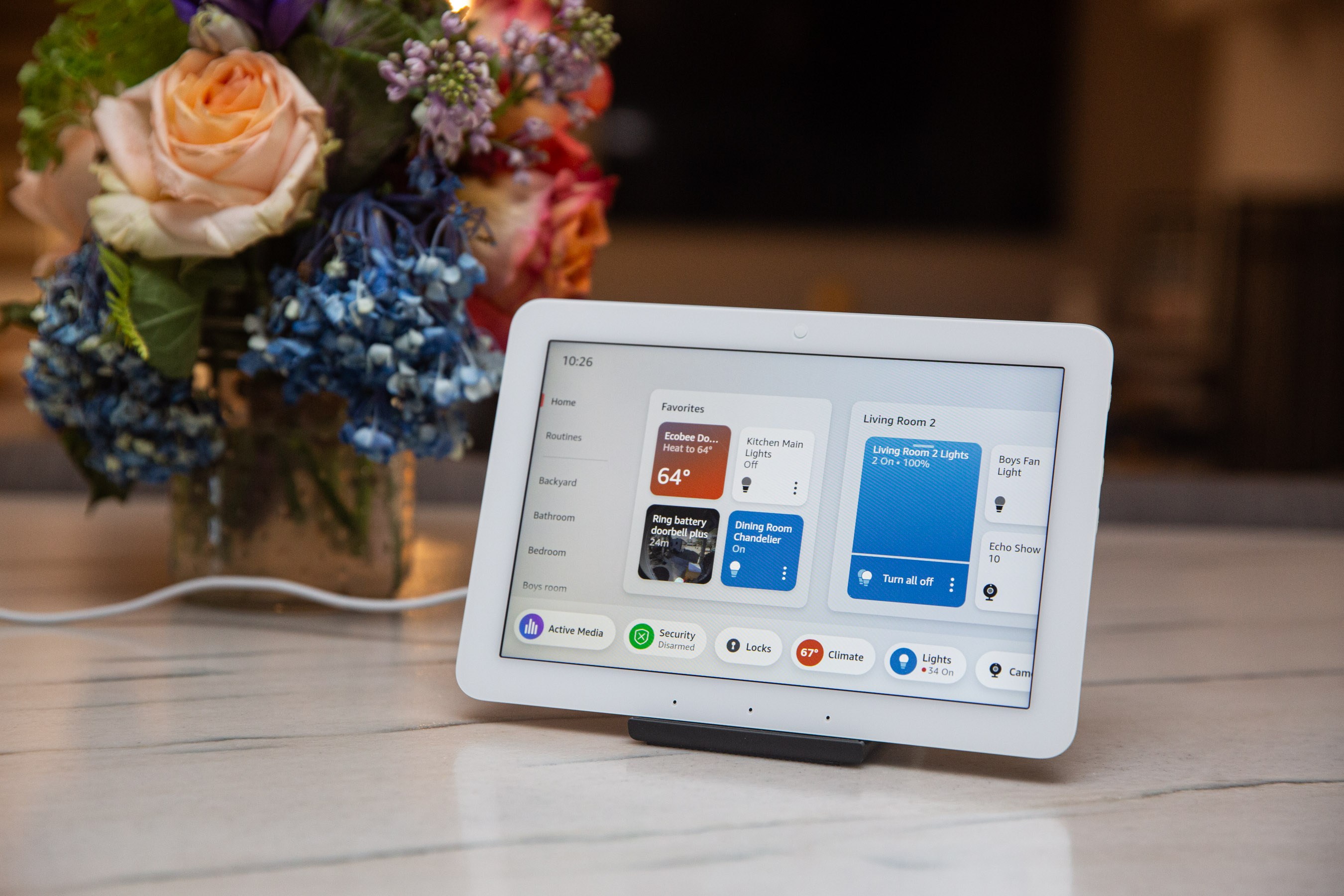
If you've started shopping for smart security devices, you've probably seen "Zigbee compatible" or "Z-Wave" on a product page and wondered whether you need to care. Short answer: usually not for a first purchase, but it matters more the bigger your setup gets. Here's what each option actually means.
Do you need a hub at all?
If you're buying everything from one brand's ecosystem (a single alarm company's full lineup, for example), you likely don't need to think about this at all — their app and included hub already handle it. This question mainly matters once you want to combine devices from multiple brands, like pairing a third-party smart lock with your alarm system's motion sensors and a separate camera brand.
Z-Wave vs. Zigbee vs. Matter vs. wifi-only
| Protocol | Needs a hub? | Strengths | Watch out for |
|---|---|---|---|
| Z-Wave | Yes | Long range, low interference with wifi, mature ecosystem | Devices tend to cost more than wifi equivalents |
| Zigbee | Yes (often bundled, e.g. with some voice assistant hubs) | Wide device selection, low power use, mesh network extends range | Some brand-specific implementations don't play well together |
| Matter | Sometimes (works over existing wifi/Thread) | Cross-brand compatibility (Apple/Google/Amazon), the direction the industry is heading | Still expanding — not every device category has full support yet |
| WiFi-only | No | Simplest setup, works with any standard router | Each device adds load to your router; many devices can strain a typical home network |
Which one should you actually pick?
- Just starting out, 1-5 devices: don't overthink it — buy the kit that covers your actual need (alarm, cameras, whatever) and use its bundled app/hub.
- Want everything in one app, using Alexa/Google Home/Apple Home already: prioritize Matter-compatible devices going forward so new purchases work across ecosystems without a separate app for each brand.
- Large home, many devices, reliability matters: a dedicated Zigbee or Z-Wave hub with mesh networking tends to be more resilient than relying purely on wifi range from a single router.
- Renting or might switch ecosystems later: favor wifi-only or Matter devices, since they're the least likely to become dead weight tied to a specific hub you no longer use.
Frequently asked questions
Do I need a smart home hub to have a security system?
No. Most modern DIY security brands use their own proprietary hub bundled with the starter kit, or rely entirely on wifi with no separate hub at all. A general-purpose hub (Z-Wave, Zigbee, Matter) becomes useful mainly once you want to mix and match devices from different brands.
What is Matter and does it replace Z-Wave and Zigbee?
Matter is a newer, unified smart home standard backed by major tech companies, designed to let devices work across ecosystems (Apple, Google, Amazon) without brand lock-in. It doesn't fully replace Z-Wave or Zigbee yet, but device support is expanding quickly, and Matter compatibility is worth prioritizing in any new purchase.
Is wifi-only good enough for security devices?
For most homes, yes. Wifi-only devices are simpler to set up since they need no separate hub, though a large number of always-connected wifi devices can strain a router in bigger installations, which is where Zigbee or Z-Wave's mesh networking starts to have a real advantage.