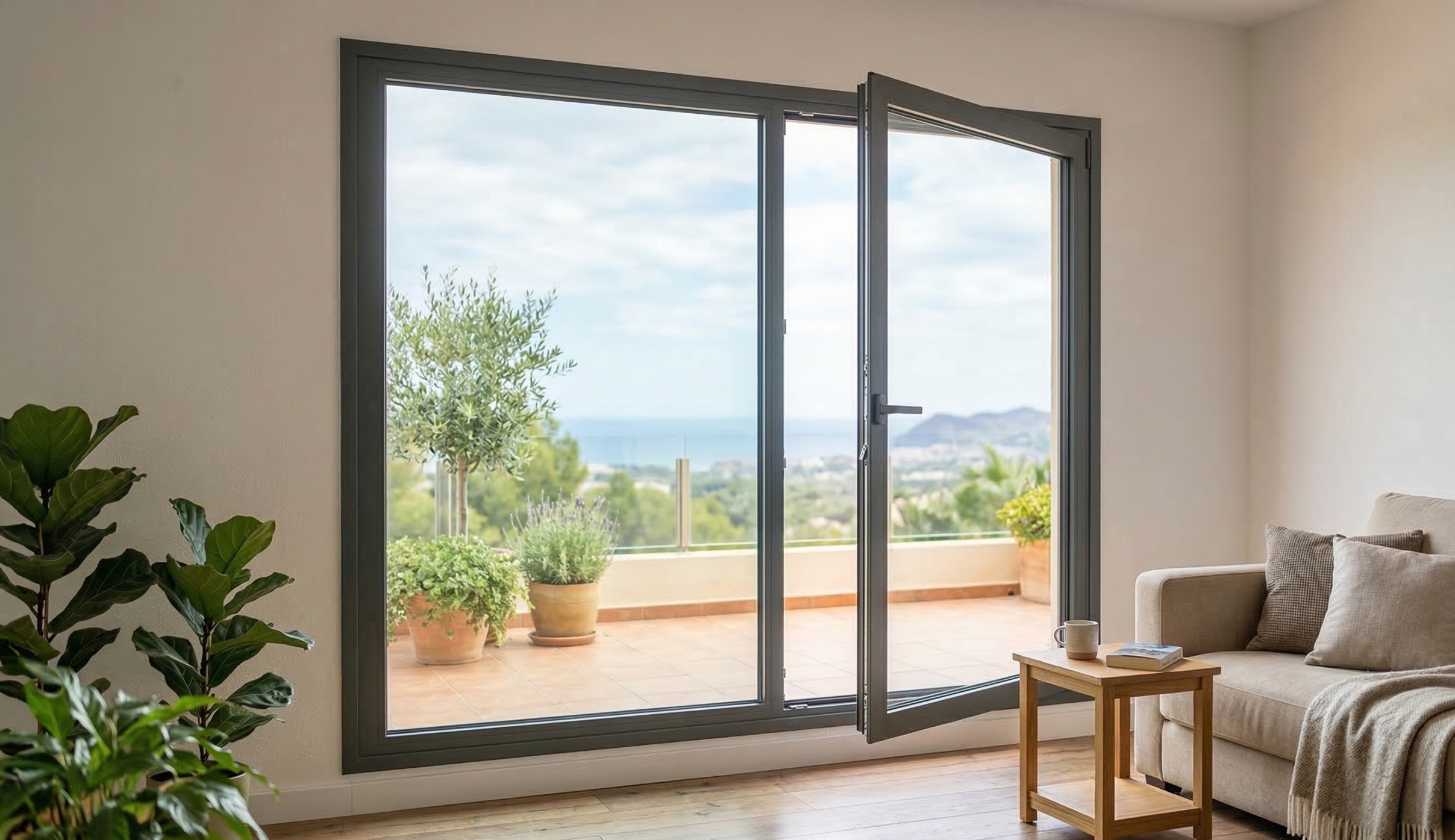
Sliding glass doors and ground-floor windows are consistently flagged by law enforcement as among the most common entry points for break-ins, mostly because their factory-standard locks are weaker than a typical deadbolt. The good news: most fixes here are cheap and don't require replacing the glass or the door itself.
Why sliding doors and windows are vulnerable
Two structural reasons come up again and again: the standard latch on most sliding doors is a simple hook mechanism that can be forced or, on older installations, the door can be lifted slightly off its track to bypass the lock entirely. Windows, meanwhile, often rely on a basic sash lock that offers little resistance to prying, and ground-floor windows are simply easier to reach unnoticed than a front door in view of the street.
Fixes for sliding doors
- Track bar or dowel: a cut-to-length bar or even a simple wooden dowel placed in the door track physically blocks it from sliding open, even if the latch is defeated. This is the single cheapest, most effective fix available.
- Anti-lift pins: screws installed in the upper track that allow the door to slide but prevent it from being lifted out, closing the most common bypass method on older doors.
- Auxiliary foot lock or charley bar: a secondary hinged bar that locks across the door independent of the factory latch.
- Security film on the glass: makes the pane far more resistant to shattering cleanly, buying time and often discouraging the attempt outright once the glass doesn't give way on the first hit.
Fixes for windows
- Secondary sash locks or pin locks: inexpensive add-on locks that stop a window from being opened more than a few inches, even if the primary latch is forced — useful for ventilation without full exposure.
- Window security film: the same principle as sliding doors, and often the highest-impact single upgrade for ground-floor windows.
- Decorative security bars or grilles: effective but should always include a quick-release mechanism from the inside for fire-safety egress — check local fire code before installing fixed bars.
- Trim back landscaping that provides cover right next to a window; visibility from the street or a neighbor's line of sight is itself a deterrent.
Adding sensors to both
Physical hardening slows entry down; a sensor tells you it happened. Standard door/window contact sensors work on sliding doors the same way they do on hinged ones — mount one half on the frame and one on the moving panel. For sliding doors specifically, a vibration or glass-break sensor adds coverage against someone attempting to shatter the pane rather than force the latch, which a simple open/close contact sensor won't catch on its own.
Frequently asked questions
Can sliding doors be lifted off their track to bypass the lock?
Older sliding doors can sometimes be lifted out of their track even when locked, which is why a secondary bar or pin lock at the base of the track is recommended in addition to the door's built-in latch.
Does security film actually stop a window from being broken?
Security film doesn't make glass unbreakable, but it holds shattered glass together in the frame instead of falling away, which significantly slows down entry and often discourages a break-in attempt once the intruder realizes the glass isn't clearing after the first hit.
Are window sensors worth it if I already have a security bar?
Yes — a bar slows physical entry but doesn't alert you to an attempt in progress. A sensor adds the notification layer, so you (or a monitoring service) know something happened rather than discovering it after the fact.